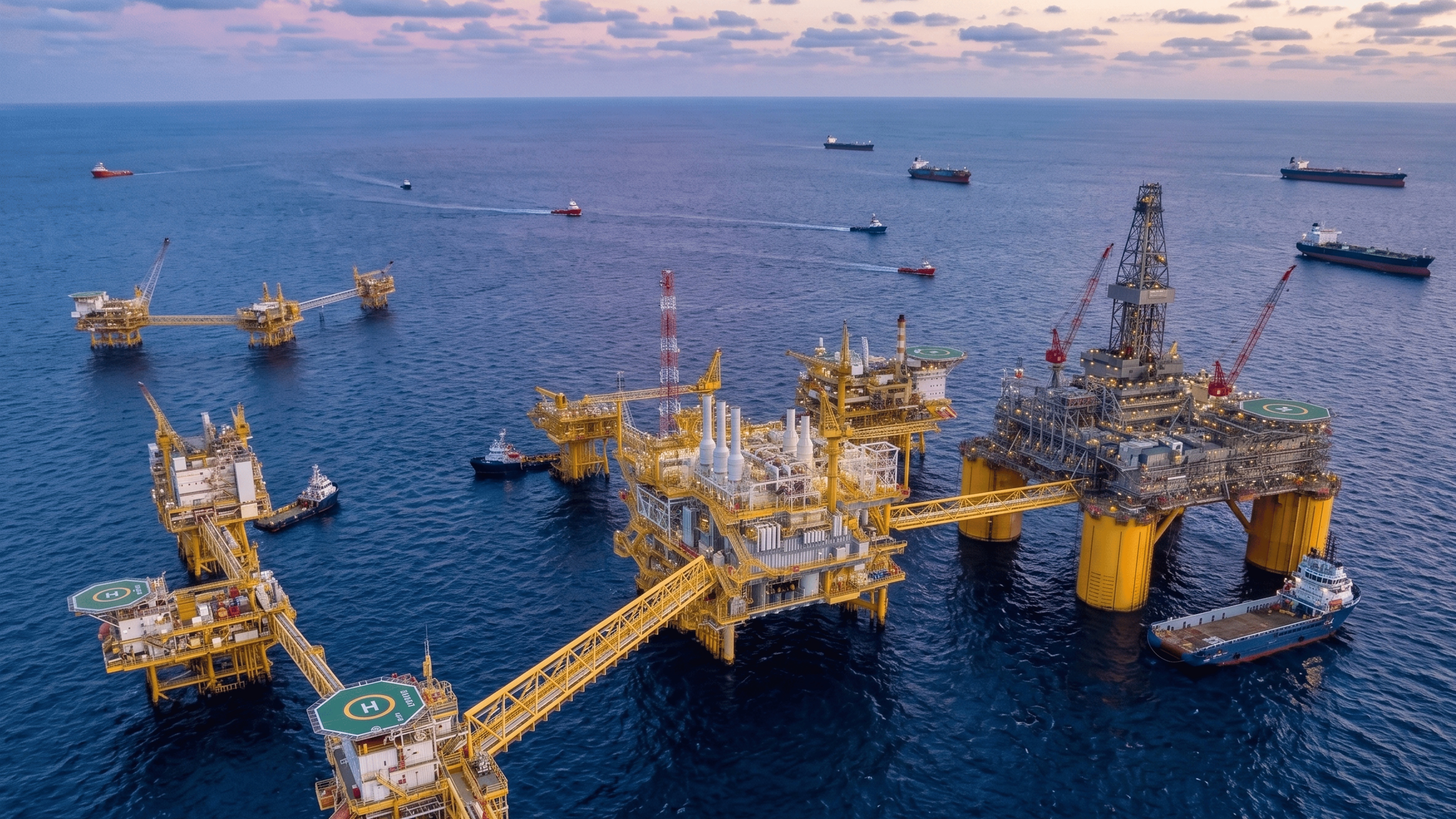
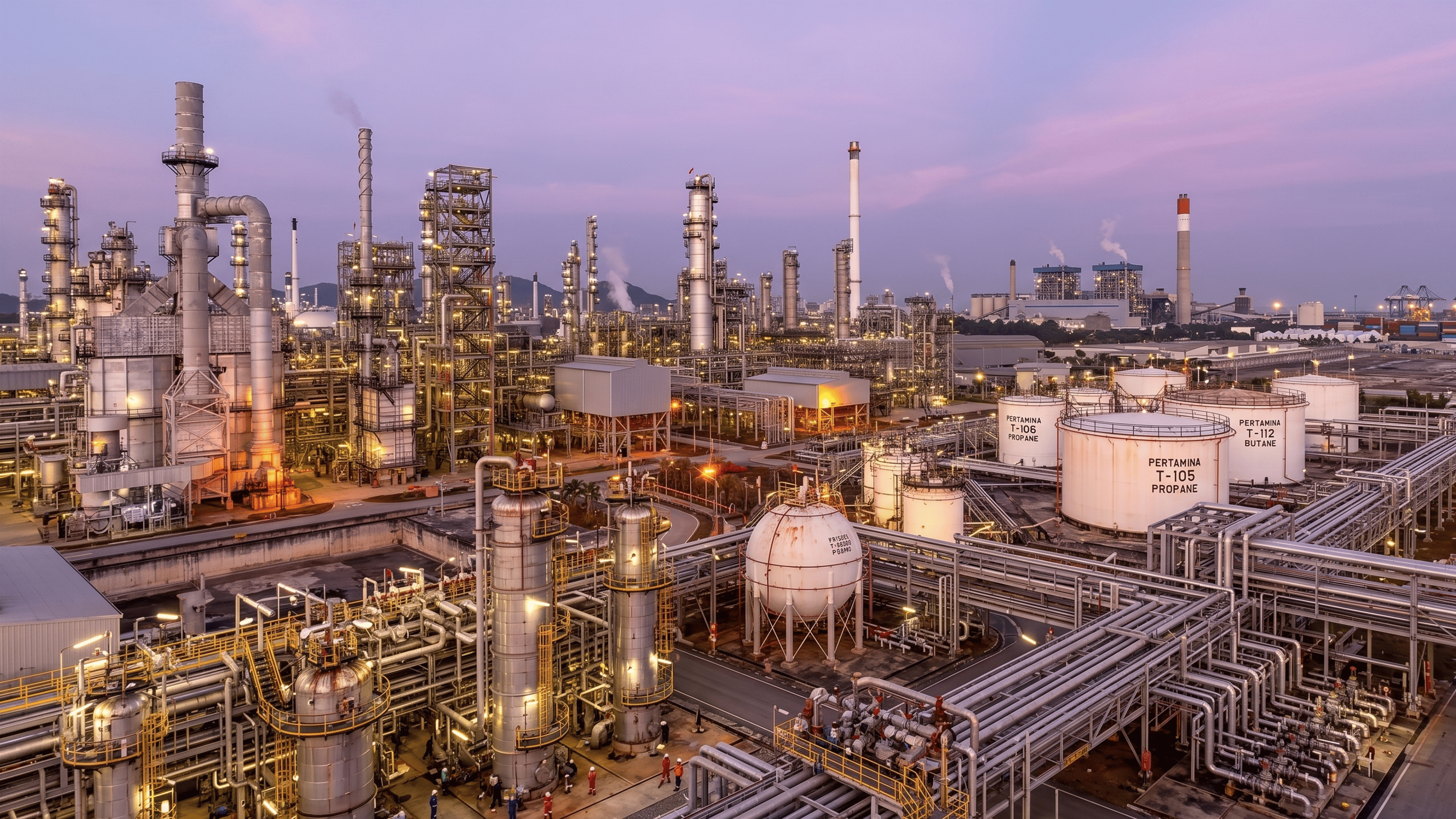
Back to HomepageMRT collaborationDATE12 July 2026 - 14 July 2026LOCATIONJakarta, IndonesiaEvent OverviewMRT bla bla blaasdagasgasgasgagDon't Miss it!!Limited seats available make sure you secure yours before it's too late.Share This PostInstagramFacebookSee Other EventsOffshore Structure AnalysisWhat is offshore structure? Offshore structures are man-made facilities engineered to operate in harsh marine environments. Primarily used for oil/gas extraction and renewable energy (e.g., wind turbines), their design must safely withstand severe ocean forces, extreme weather, and deep-water hydrostatic pressures. 1. Bottom-Supported StructuresThese structures are anchored directly to the seabed and are typically used in shallower waters: Fixed Platforms: Secured by steel-reinforced concrete or pile legs driven into the ocean floor. Common in depths up to 1,500 feet.Compliant Towers: Narrow, flexible towers supported by a piled foundation that can yield to water movements in depths ranging from 1,500 to 3,500 feet. Gravity-Based Structures (GBS): Massive concrete platforms that rely on their own weight resting on the seabed for stability.Onshore Oil & Gas FacilityWhat comes in Onshore Facilities? An onshore structure is a permanent building or installation built on solid ground. In industries like oil and gas, it refers to land-based facilities like refineries, drilling rigs, and storage tanks. Onshore structures differ from offshore ones (which are built in the ocean) by avoiding challenges like ocean waves and saltwater corrosion.